
Texans legend J.J. Watt did not stay silent. Appearing on national television, Watt bluntly accused the Patriots of “crossing the line” in the strategic chess match of playoff football. “When you sign a player from your opponent right before the playoffs, don’t call it a coincidence. That’s doing whatever it takes to gain an advantage,” Watt said, his tone both cold and visibly frustrated. The remarks spread rapidly throughout the NFL community.

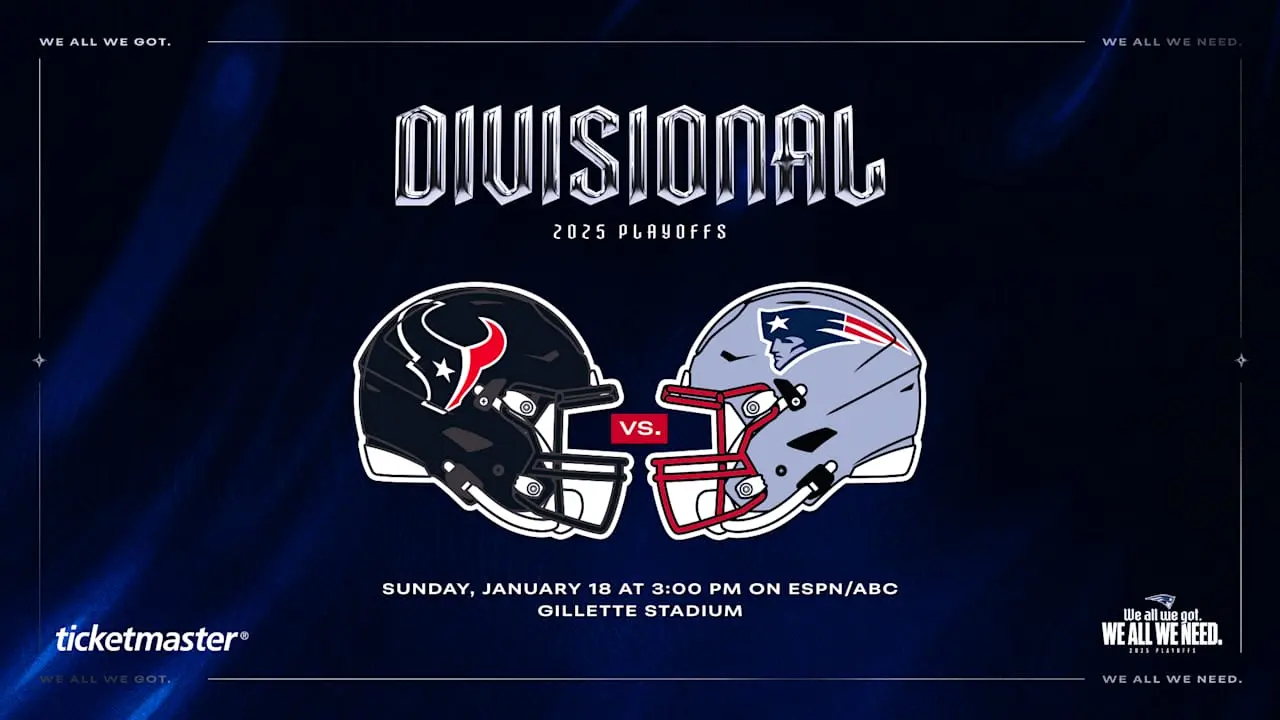
The controversy stems from a seemingly routine roster transaction that has taken on outsized significance in the high-stakes environment of the postseason. Earlier this week, the New England Patriots secured a gritty 16–3 victory over the Los Angeles Chargers in the Wild Card round, marking their first playoff win since the 2018 season. That hard-fought triumph propelled them into a divisional-round matchup against the Houston Texans, the team boasting the NFL’s top-ranked defense heading into the playoffs. The game, set for Gillette Stadium, already carried heavy implications. Then came the news that turned heads.
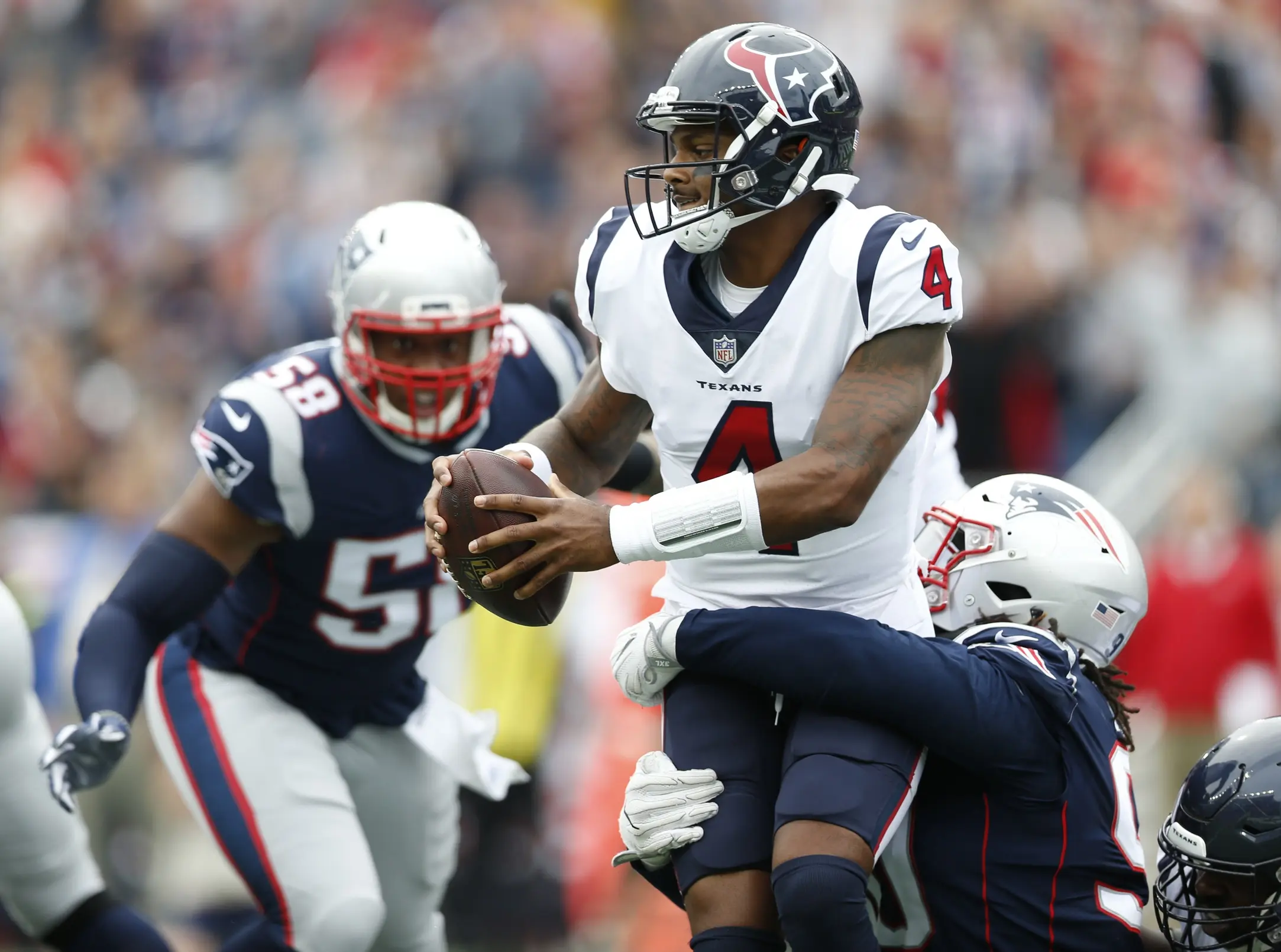
According to NFL Network insider Ian Rapoport, the Patriots signed former Texans defensive end Darrell Taylor to their practice squad, with a strong possibility of elevating him to the active roster in time to face his old team. Taylor had been released by Houston just two days earlier. The move came after Taylor spent the majority of the 2025 season on injured reserve with an ankle injury.
Houston’s decision to cut ties with Taylor was straightforward on paper: the team needed to clear roster space for the return of safety Jaylen Reed from injured reserve. It was a numbers game, nothing more. Yet in the context of playoff football, where every edge matters and every piece of information can be weaponized, the timing raised immediate eyebrows. Taylor, despite his limited production this season, still possesses intimate knowledge of the Texans’ defensive schemes, calls, tendencies, and personnel groupings. Even a modest role on game day could provide the Patriots with valuable insights.
J.J. Watt, who spent the prime years of his Hall of Fame-caliber career in Houston and remains one of the most respected voices in the sport, wasted no time addressing the situation. During his appearance on a national broadcast, Watt did not mince words. He described the signing as a deliberate attempt to exploit an opponent’s personnel decisions for competitive gain. “This isn’t about football rules,” Watt emphasized. “It’s about ethics. You don’t bring in a guy who knows your opponent’s playbook inside and out right before you play them and pretend it’s random. That crosses a line.”
The comments ignited immediate backlash and support across the league. Texans fans flooded social media with frustration, viewing the move as a cheap tactic bordering on unsportsmanlike conduct. Patriots supporters countered that it was simply smart football—taking advantage of the waiver wire and practice squad rules that every team has access to. Several analysts pointed out that such moves are not uncommon in the NFL, especially during the postseason when teams scour the waiver wire for depth at premium positions like edge rusher.
Head coach Mike Vrabel, now leading the Patriots, addressed the controversy head-on during his weekly press conference. With characteristic directness, Vrabel dismissed the accusations. “This was a football decision, period,” he said. “We needed pass-rush help. Darrell became available, we claimed him. That’s how the system works. There’s no hidden agenda here.” Vrabel went on to praise Taylor’s work ethic and versatility, framing the addition as a legitimate depth move rather than an act of espionage.
Still, the psychological impact cannot be ignored. In a week where every headline, sound bite, and subtle jab can influence preparation and mindset, Watt’s public condemnation has transformed a minor roster transaction into a major storyline. The narrative now follows the Patriots into Gillette Stadium: Are they willing to bend—or break—the unwritten rules of competition to gain any possible advantage? For the Texans, the question becomes whether the added scrutiny motivates their defense to play even harder or plants seeds of doubt about potential leaks.
Darrell Taylor himself has remained silent since the signing, but the situation places him in an uncomfortable spotlight. If elevated and activated, he would face the very teammates he trained with for months, potentially using knowledge gained in Houston against them. Even if he plays only special teams snaps or serves as an emergency option, the optics are unavoidable.
As kickoff approaches, the focus will eventually shift back to the field. The Texans bring the league’s stingiest defense, a unit built on physicality, discipline, and relentless pressure. The Patriots counter with home-field advantage, a quarterback playing at an elite level, and a coaching staff that has historically thrived in these moments. Yet the shadow of this controversy lingers. J.J. Watt’s words have ensured that no one forgets: in the NFL playoffs, the battle for advantage begins long before the ball is snapped.
Whether the signing of Darrell Taylor proves to be a masterstroke or an overblown footnote remains to be seen. What is certain is that the chess match between these two franchises has already begun—and thanks to a Hall of Famer who refuses to stay quiet, the stakes feel higher than ever.